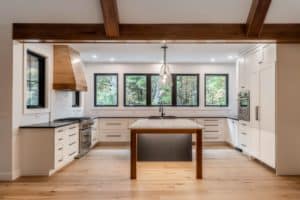
The main kitchen cabinet styles are traditional, modern, shaker, and transitional, plus rustic as a popular variation. These style families cover the main types of kitchen cabinets you’ll compare when planning a remodel. Each has a distinct look, and the right one depends on your home’s architecture, how you use your kitchen, and your budget. Below is a plain-language guide to each style, with real kitchens we’ve built, so you can see the difference before you decide.
Traditional Cabinets
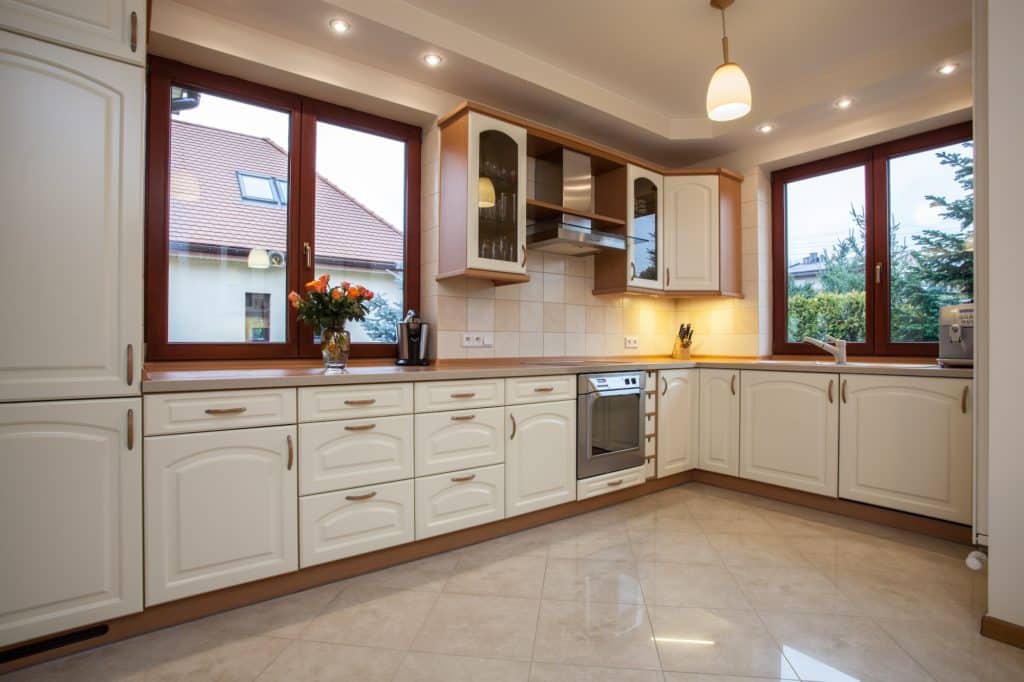
Traditional kitchen cabinets are defined by an elegant, timeless look. They frequently feature raised-panel doors, decorative details, and crown molding, and they suit formal or classically styled homes. If you want warmth and detail rather than minimalism, this is the style to start with.
Modern Cabinets
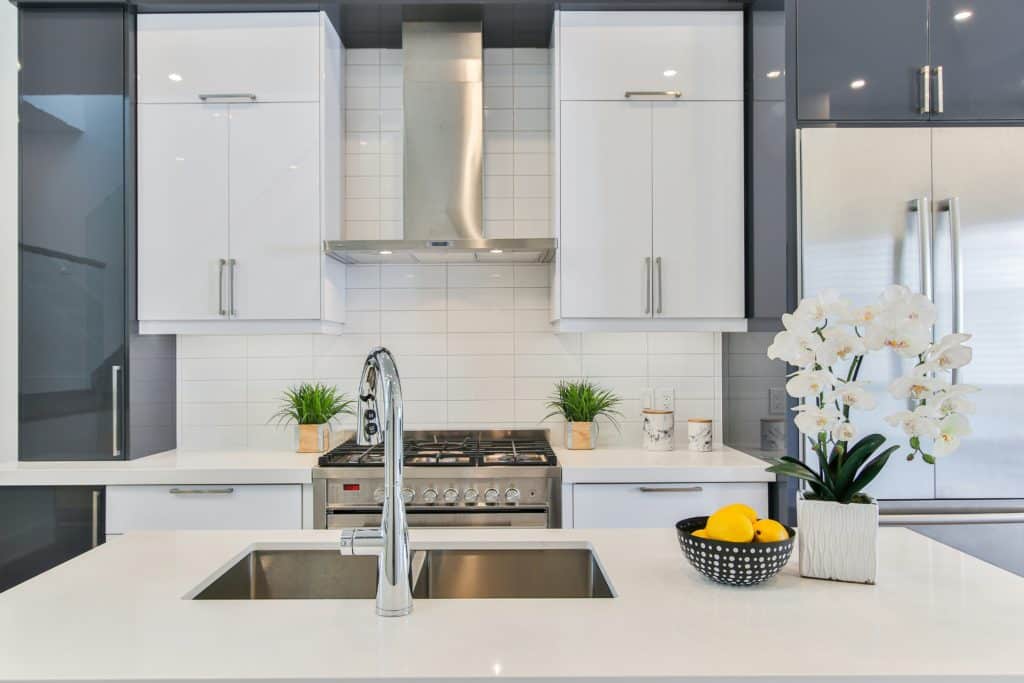
Modern kitchen cabinets are defined by clean lines and simple, flat-panel doors. They often use contemporary finishes like high-gloss, matte laminate, or stainless for a sleek, uncluttered look. This is the go-to style for a minimalist, contemporary kitchen.
Shaker Cabinets
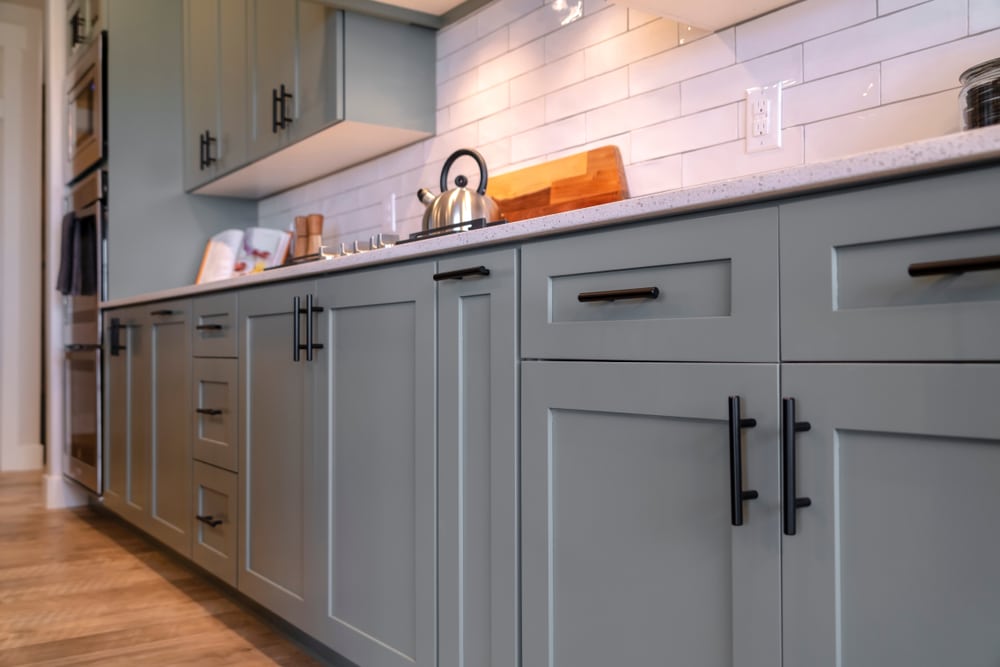
Shaker cabinets are one of the most popular choices for good reason: a plain, square door with a recessed center panel that works in both traditional and modern kitchens. Their versatility makes them a safe, timeless pick if you’re unsure which direction your kitchen is headed.
Transitional Cabinets
Transitional cabinets blend traditional and modern elements: clean, simple lines paired with a few classic touches like a raised panel or subtle molding. They’re ideal for homeowners who want a look that isn’t strictly modern or strictly traditional, and they pair well with a wide range of countertops and hardware.
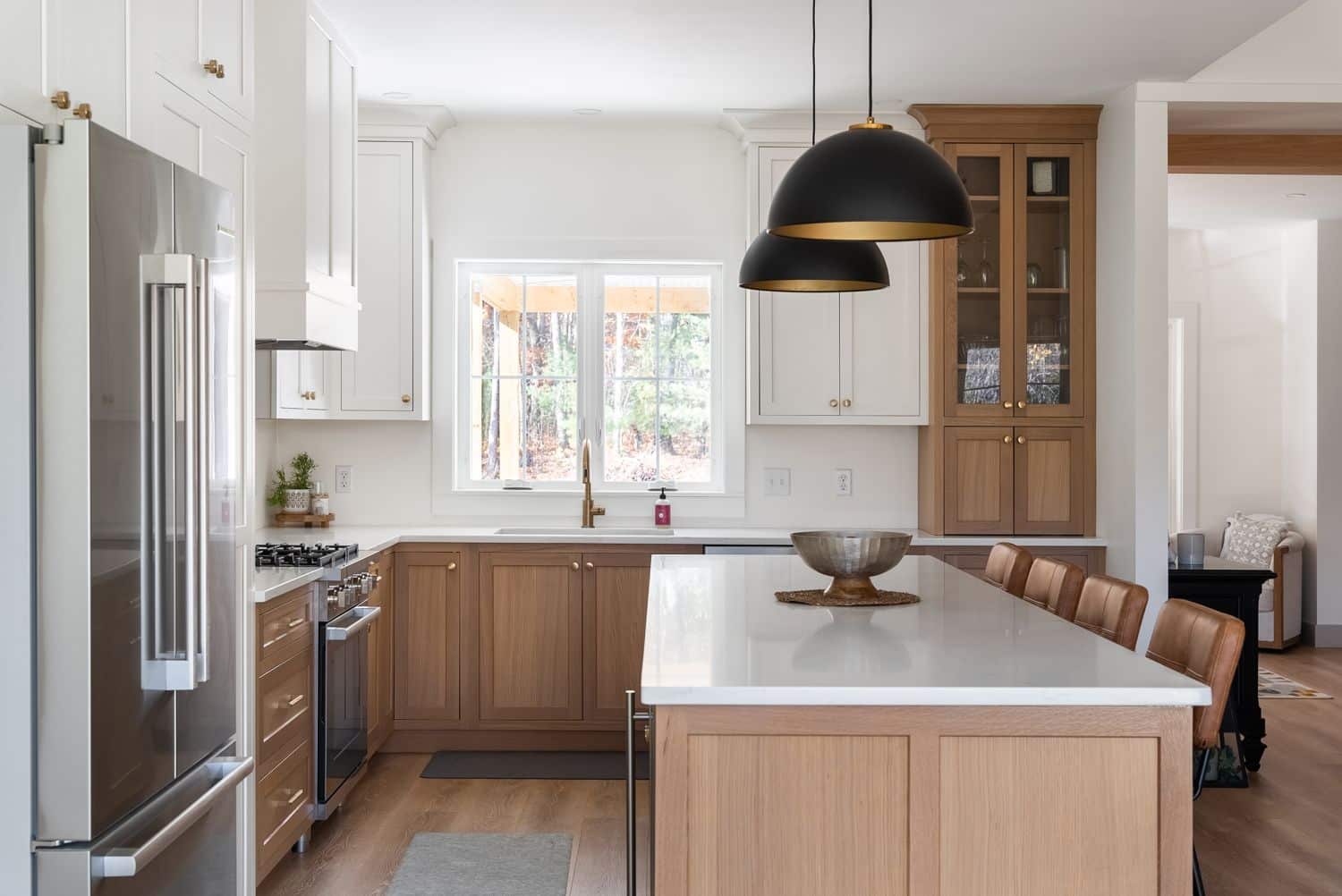
Rustic Cabinets
Rustic cabinets bring a touch of nature indoors. They often use organic materials like wood and stone and may feature distressed or weathered finishes for a lived-in, characterful feel, a good match for farmhouse and cabin-style Maine homes.
How to Choose the Right Cabinet Style
When selecting cabinets, weigh the size and layout of your kitchen, your home’s overall design, your budget, and how much maintenance you’re willing to take on. Natural wood, for example, needs more upkeep than laminate or veneer. Cabinets are a long-term investment and are difficult to change after installation, so choose a style you’ll still love years from now. For a deeper look at going fully bespoke, see our guide to custom kitchen cabinets.
Ready to explore cabinet styles in person? Learn about our custom cabinetry services, or contact us and visit our showroom in Falmouth, Maine to see and feel the options for your kitchen.